
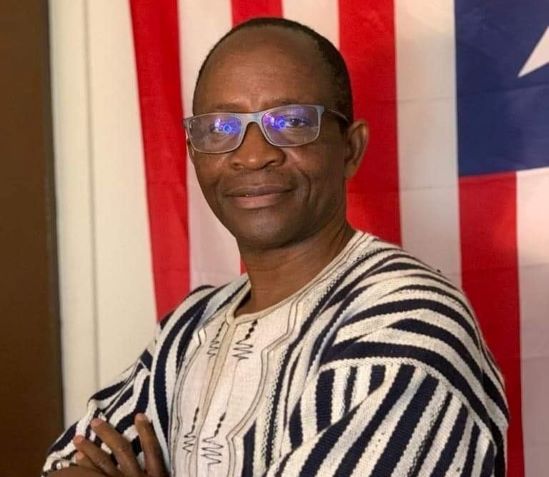
PHOTO: The Author
By Kokpar B. Wohwoh
A Liberian, Philadelphia, USA
As I scanned through my Facebook page, I came across the resignation of Deputy Police Commissioner Clarke, alleging workplace discrimination, structural barriers, and limited institutional support. I don’t have the facts, but this claim demands attention from advocates fighting discrimination against women.
I was overwhelmingly shocked; it wasn’t disappointment but concern that such barriers persist. If true, this reflects poorly on Liberian society and institutions. As Jean-Paul Sartre might argue, we are “condemned to be free” – responsible for creating change in our institutions and societies.
This incident highlights potential systemic issues within the LNP, such as gender discrimination and inadequate support for female officers, which may undermine public trust and police effectiveness. The resignation may lead to erosion of public trust, as Clarke’s departure could reinforce perceptions of corruption and unprofessionalism within the LNP, exacerbating existing mistrust among Liberians.
The LNP may also face a leadership vacuum, struggling to find a suitable replacement, potentially disrupting communication and crisis management. Internationally, the LNP faces barriers, including historical context, corruption perceptions, and capacity constraints.
These factors can impact cooperation and support. To rebuild trust, the LNP may need to demonstrate commitment to reforms, transparency, and accountability.
Philosophically, this situation raises questions about justice, equality, and power dynamics. John Rawls’ concept of “justice as fairness” suggests that institutions should prioritize fairness and equal opportunities for all. Simone de Beauvoir’s existentialist perspective might argue that individuals must take responsibility for creating their own meaning and challenging oppressive systems. The LNP’s response to these allegations could be seen as a test of its commitment to these principles.
As someone with interest in Liberia’s transformation and well-being, particularly preserving peace and promoting gender equity, these developments in the security sector are noteworthy.
Strengthening institutions like the LNP, ensuring accountability, and addressing systemic barriers could contribute to a more stable and equitable Liberia, supporting its democratic progress.
If these systemic allegations aren’t addressed, Liberia risks perpetuating inequality, undermining trust in institutions, and hindering development. In contemporary society, such issues can fuel social unrest, exacerbate insecurity, and deter investment. Addressing them is crucial for Liberia’s progress, echoing Martin Luther King Jr.’s assertion that “injustice anywhere is a threat to justice everywhere” – Liberia’s path forward demands equitable institutions.