
KAKATA, Liberia— The Environmental Protection Agency of Liberia (EPA) is said to be taking initiatives ensure that Liberia’s biodiversity conservation goals are not pursued in isolation, but through coherent, integrated and inclusive national planning.
Authorities of EPA say efforts are being made to align Liberia’s national sectoral policies with its revised National Biodiversity Strategies and Action Plan (NBSAP 2025–2030), while also developing strategies to mainstream gender and youth into its implementation.
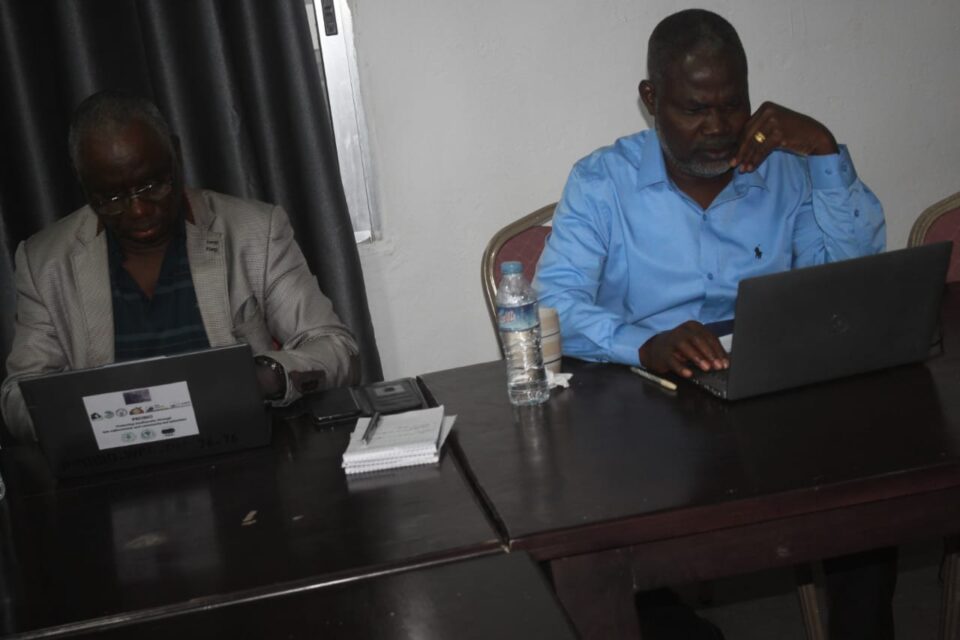
One of such measures taken was the recent holding of a two-day technical workshop here which focused on this subject.
The workshop brought together key players from government ministries and agencies, civil society, academia, and youth and women-led organizations.
Delivering his opening remarks, EPA Executive Director Dr. Emmanuel K. Urey Yarkpawolo emphasized that Liberia’s biodiversity targets can only be achieved through coordinated inter-sectoral collaboration and inclusive policies that empower marginalized groups, especially women and youth.

“It is with great pleasure that I welcome you all to this important Technical Review Workshop focused on the draft report on the alignment of sectoral policies with Liberia’s NBSAP and the draft manual to mainstream gender and youth in its implementation,” Dr. Urey Yarkpawolo began. “Your presence here today reflects a shared commitment to ensuring that Liberia’s biodiversity goals are supported not only through conservation efforts but through coherent, inclusive, and integrated national policies across all relevant sectors.”
Dr. Urey Yarkpawolo reminded participants that Liberia’s NBSAP has been aligned with the Global Biodiversity Framework (GBF) in keeping with obligations under the Convention on Biological Diversity.
According to the EPA boss, it serves as a roadmap to protect Liberia’s forests, wetlands, wildlife, and ecosystems for present and future generations.
However, he warned that biodiversity cannot be protected if other sectors, like agriculture, mining, infrastructure, health, and education, fail to adopt biodiversity-sensitive policies.
“Biodiversity conservation cannot be achieved in isolation,” he said. “Our forests, wetlands, species, and ecosystems are affected, directly or indirectly, by decisions made across sectors. Therefore, it is vital that sectoral policies and strategies are aligned with the principles and goals of the NBSAP.”
The EPA boss highlighted that the draft report under review during the workshop presents an assessment of how well Liberia’s current sectoral policies are supporting, or possibly hindering, the country’s biodiversity goals.
He challenged participants to scrutinize the document honestly and technically, identifying both synergies and policy gaps that must be addressed.
Equally central to the workshop’s focus is the development of a Gender and Youth Mainstreaming Manual, intended to guide stakeholders in ensuring women and young people are meaningfully included in all aspects of biodiversity implementation, from national policy planning to grassroots conservation projects.
“Women and youth are key custodians of natural resources, yet they often remain underrepresented in decision-making processes,” Dr. Urey Yarkpawolo noted. “This is not only a matter of equity, it is a matter of effectiveness. Evidence shows that when women and youth are meaningfully engaged, biodiversity outcomes are more sustainable and resilient.”
Technical presentations
The first day of the workshop featured technical presentations by Assistant Professor Jerome Nyenka, the national consultant overseeing the policy alignment and mainstreaming efforts, as well as group work and plenary discussions facilitated by environmental experts and EPA partners.
Also speaking at the event were Dr. Emmanuel Olatunji, Chair of the Graduate School of Environment and Climate at the University of Liberia; Jerry Nyumah, Conservation Manager at the Forestry Development Authority (FDA); and project coordinator J.S. Datuama Cammue, who facilitated the formalities and logistics.
Throughout the day, participants engaged in critical discussions around Liberia’s national environmental and development policies, such as those related to forestry, agriculture, fisheries, land rights, climate change, and food security, to assess how they align with the NBSAP’s five strategic goals and twenty national targets.
Breakout sessions also addressed gender and youth engagement, drawing from a manual that outlines key indicators, training modules, and practical steps for integrating inclusion into biodiversity programs.
The EPA Executive Director, Dr. Yarkpawolo thanked all participants for their dedication and reaffirmed the EPA’s commitment to building an environmentally resilient Liberia through evidence-based policymaking and inclusive governance.
“The task ahead is complex, but with technical rigor, inter-sectoral dialogue, and inclusive engagement, we are confident that Liberia will build a future where people and nature thrive together,” the head of Liberia’s EPA added.