
Monrovia, Liberia – The 17th General Biennial Conference of the Association of Pentecostal Churches International (APCI) has featured a high-level Global Health Awareness Forum focused on the theme, “Making Health a Reality for All: The Challenge for the Global Health Community.”
The session, which was held on Thursday, February 19, 2026, emphasized the crucial intersection of global and local health, the role of faith-based organizations, and strategies to ensure equitable access to health care for all Liberians.
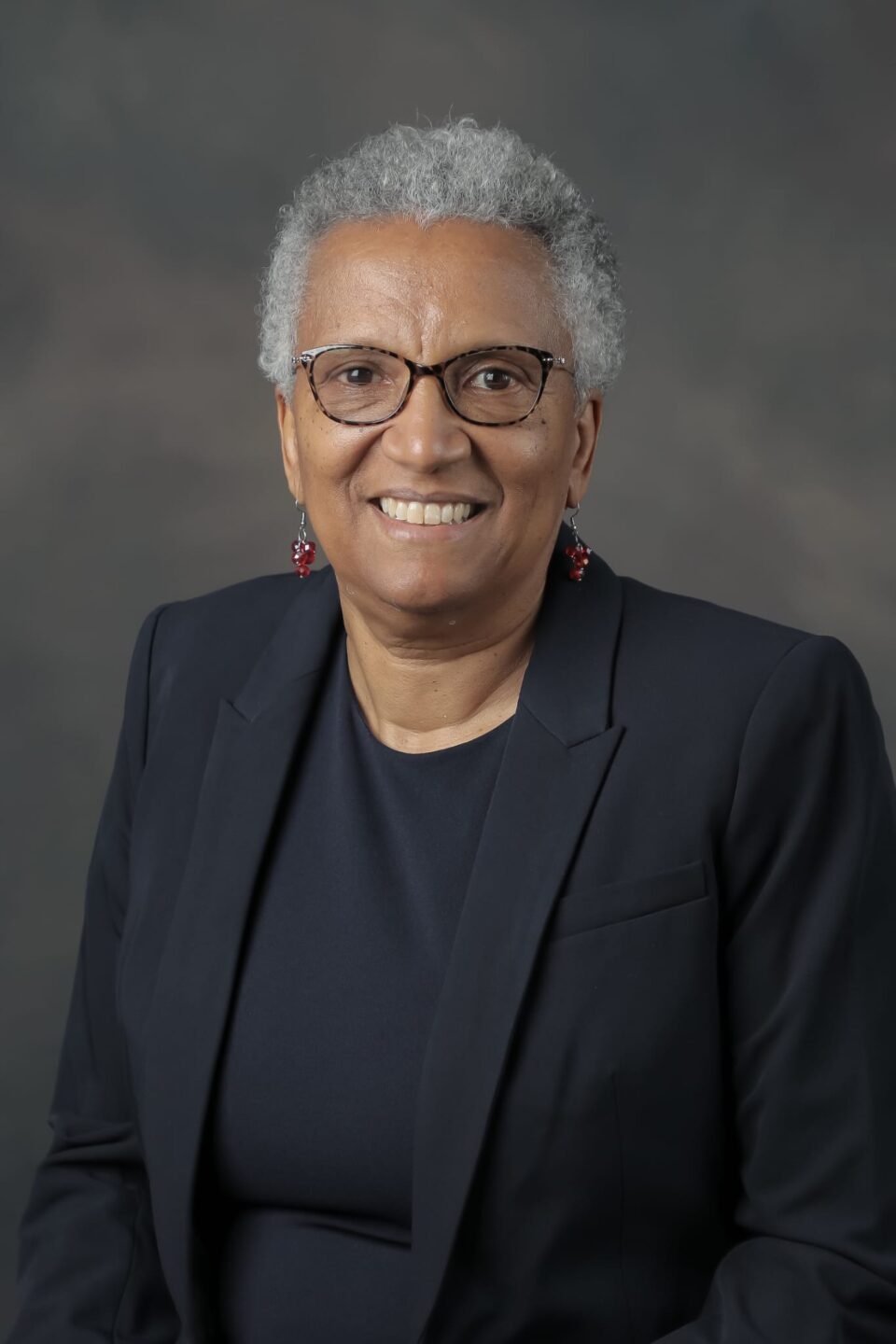
The forum featured remarks by Dr. Jeff Wubbenhorst, speaking on behalf of his wife, Dr. Monique Chireau Wubbenhorst, a seasoned OB/GYN with 35 years of experience in clinical practice, public health, and international development, including her tenure as Senior Deputy Assistant Administrator at the former United States Agency for International Development (USAID).
Addressing attendees, Dr. Wubbenhorst noted the importance of bridging global health initiatives with local health realities. He highlighted that while “health for all” is a widely used slogan, its practical implementation requires ensuring access to care, utilization of health services, and the empowerment of families and communities to take ownership of their health.
Drawing lessons from Liberia and the broader African context, Dr. Wubbenhorst cited the 2014 West Africa Ebola outbreak as a clear example of how global and local health are interconnected. He emphasized that diseases do not respect borders and that proactive, community-based reporting and response are critical to controlling outbreaks and protecting public health.
The forum also spotlighted Liberia’s demographic opportunities and health challenges. With a population of over 5.7 million and 63% under the age of 25, Liberia has a young population essential for national development. Yet, the country faces pressing health challenges, including high maternal and child mortality, the rise of non-communicable diseases, and under-resourced rural health facilities.
Dr. Wubbenhorst further stressed that health interventions must go beyond disease-specific programs, advocating for approaches that strengthen marriages, families, and communities. He noted that traditional public health strategies often overlook the social and relational foundations of health, reducing individuals to populations and disease categories rather than recognizing their inherent dignity.
Faith-based organizations were highlighted as central actors in addressing Liberia’s health challenges. In sub-Saharan Africa, 80–90% of health care is provided by faith-based institutions, which often reach the most remote and underserved communities with cost-effective, culturally aligned, and trustworthy services.
The forum also underscored the importance of partnerships between faith-based organizations and global or national health institutions. Such partnerships require mutual respect, power sharing, and accountability to ensure that health interventions are effective, culturally relevant, and aligned with the mission of local communities.
Dr. Wubbenhorst emphasized the ethical and human rights dimensions of health care, calling for the protection of human dignity in all global health initiatives. He stressed that health programs must resist ideological capture and prioritize the well-being of individuals, families, and communities.
“Global health becomes local health and vice versa when the focus is on strengthening marriages, families, and communities, rather than just diseases or target populations,” Dr. Wubbenhorst stated. “Respect, communication, and thoughtful resource allocation are essential to achieving health for all.”
The APCI Global Health Awareness Forum brought together bishops, pastors, government officials, international agencies, media representatives, and community leaders to discuss strategies for making health care accessible, equitable, and effective for every Liberian.
Attendees lauded the forum as a vital platform for fostering collaboration between global health stakeholders and local communities. The discussions highlighted actionable steps to integrate faith-based organizations into national health strategies, ensuring that no community is left behind.
Dr. Wubbenhorst concluded by urging continued synergy between public health agencies, faith-based organizations, and communities, emphasizing that sustainable health improvements require both international expertise and grassroots engagement.
The APCI 17th General Biennial Conference continues through February 21, 2026, hosting additional sessions on social development, youth engagement, and spiritual leadership, reinforcing the organization’s commitment to holistic community well-being in Liberia.
For media inquiries, contact:
APCI Secretariat
Email: info@apci.org.lr
Phone: +231 77 619 9258 / +231 77 804 7254