
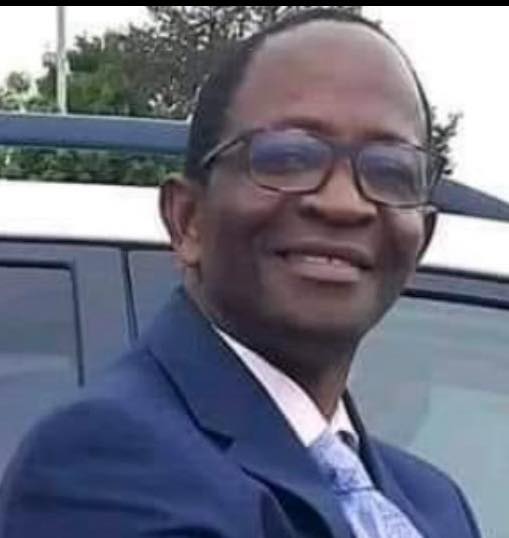
PHOTO: The Author
By Kokpar B. Wohwoh
Liberian
Philadelphia, USA
As I sit at my computer table in Delaware County, USA, reflecting on Liberia’s journey, I’m still grappling with painful questions.
Why did we succumb to the 1980 coup d’état led by Master Sergeant Samuel Doe, a moment that shattered decades of relative stability? Why did it escalate into violence that claimed the lives of an estimated 250,000 people, leaving deep scars that linger? And why, despite the pain, do we still clove to names like the “People’s Redemption Council” or “Rescue Mission” that we’ve struggled to live up to?
Tears fall, not because I think Liberia is cursed, but because I see the insincerity woven into our history. It makes me wonder: when will we be honest with ourselves?
This ache isn’t just about the past—it’s about the future we want to shape. In my view, we’ve been chasing the wrong priorities in the name of politics. These grand names haven’t benefited us, and they won’t until we grasp the true meaning of honesty and empathy for one another. The loss of so many lives demands more than rhetoric—it demands accountability, healing, and a recommitment to the people. For Liberia to move forward, I believe we need a shift—toward selflessness.
A politics that prioritizes concern for others, not just power or ideology. It’s a hard path, but the only one that leads to genuine progress.
From this reflection, broader questions emerge that challenge us all. Two philosophical threads amplify my anxiety. First, Jean-Paul Sartre’s concept of “bad faith” (_mauvaise foi_) comes to mind—the tendency to deceive ourselves into believing we are something we’re not. Liberia’s use of lofty names for movements risks falling into this trap, where the gap between rhetoric and reality breeds disillusionment. Can we bridge this gap with authenticity?
Second, Martin Luther King Jr.’s idea of an “inescapable network of mutuality” underscores that each person’s fate is tied to all. Liberia’s progress hinges on recognizing this interconnectedness, moving from insincerity to a selfless concern for the collective good. Without it, the names we use may just be shadows of what we truly need.
And so, I ask: what comes next? Should we dive deeper into what this might look like in practice, or explore how to spark this kind of conversation in Liberia?
Kokpar B. Wohwoh
Liberian
Philadelphia, USA