
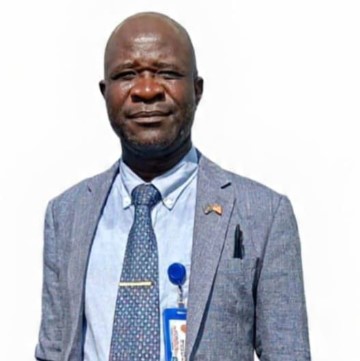
PHOTO: Mr. George Woodtor warns: prolonged legal proceedings could erode public confidence
By Alfred Kollie, alfredkolliejr92@gmail.com
MONROVIA, Liberia – A Liberian citizen, George Woodtor, is calling on the Government of Liberia and its international development partners to establish specialized drug courts in all 15 counties to fast-track the prosecution of drug-related offenses and reinforce the country’s campaign against illicit drugs.
Speaking during a press engagement in Monrovia, Mr. Woodtor expressed concern over what he described as delays in prosecuting individuals allegedly linked to the reported US$19 million cocaine case.
He warned that prolonged legal proceedings could erode public confidence in Liberia’s justice system and undermine ongoing efforts to combat drug trafficking.
Mr. Woodtor noted that Liberia’s principal legislation governing drug control, the Controlled Drugs and Substances Act, was originally enacted in 2014.
He explained that the harmonized version of the law was passed by the Liberian Legislature on June 27, 2023, signed into law by former President George Manneh Weah on July 12, 2023, and later published into handbill, making drug-related offenses non-bailable under the law.
He stated that many Liberians welcomed the amended legislation with the expectation that it would significantly strengthen the nation’s war against drugs.
However, he argued that the pace of enforcement and prosecution has not matched those expectations.
Woodtor attributed the delay in handling the high-profile cocaine case to the absence of specialized drug courts, emphasizing that dedicated courts would ensure the swift trial and prosecution of drug-related offenses.
“When justice is delayed, it changes the narrative in favor of those accused of committing the crimes,” Woodtor said, adding that more arrests and prosecutions should have already been carried out in connection with the reported cocaine seizure.
He further alleged that influential individuals may be attempting to interfere with the judicial process, but did not present evidence to support the allegation.
Mr. Woodtor stressed that specialized drug courts would not only accelerate legal proceedings but also enable the justice system to address substance use disorders through treatment and rehabilitation where appropriate, rather than relying exclusively on incarceration.
He concluded by urging the Liberian Government and its international partners to make the establishment of specialized drug courts a national priority, describing the initiative as a critical step toward strengthening the country’s response to drug trafficking.
The Liberian citizen called for improvement in access to justice, and the protection of communities from the growing threat posed by illicit drugs.