
Under Its Technical Assistance Programme
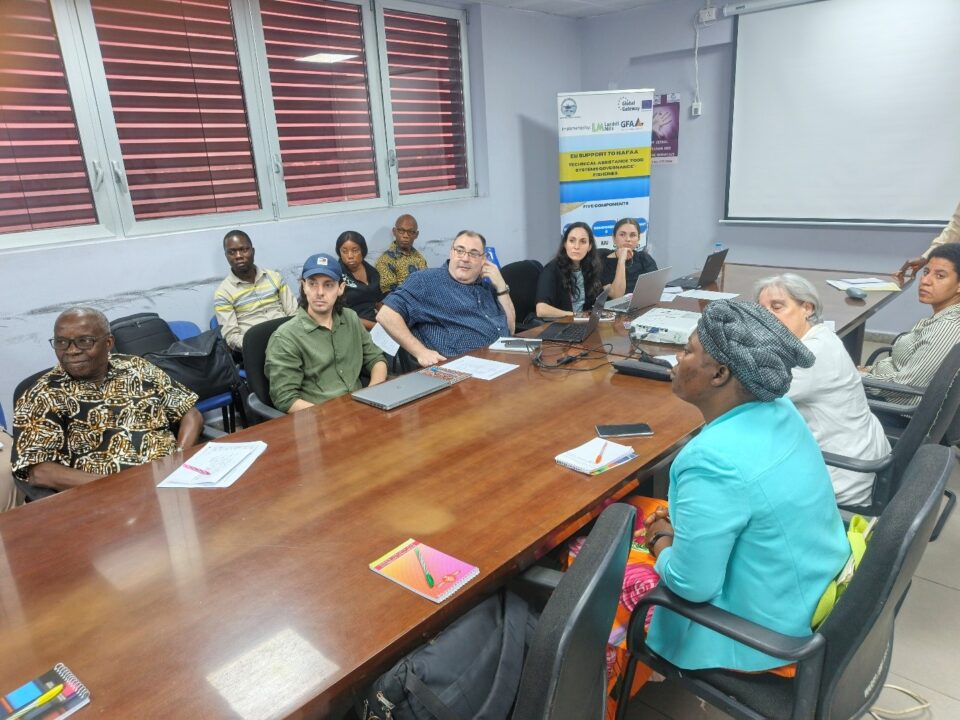
Monrovia, Liberia — The National Fisheries and Aquaculture Authority (NaFAA), in collaboration with the European Union’s (EU) Technical Assistance “Food Systems Governance” – Fisheries in Liberia programme, on Wednesday convened a high-level information and networking workshop aimed at advancing the development of Liberia’s marine artisanal fisheries sector, with particular focus on primary and secondary fish processing stakeholders.
A NaFAA press release said the workshop was attended by fish processors, traders and fishmongers from Monrovia, Buchanan, Marshall, Roberts port, Tomatown, Grand Bassa, with value chain experts taking them through a business model for future development of the fish trade in Liberia.
It also provided a platform to review and validate findings from recent sector assessments, facilitate in-depth stakeholder discussions, clarify emerging issues, and present proposed interventions and socially inclusive business models for the sector. Participants at the workshop also agreed on priority actions and outlined clear next steps to guide effective and coordinated implementation. They also called for a business plan that will help move from an informal low value sector to a more formalized and joined up value chain.
Discussions were informed by two key assessments: the Value Chain Assessment of Liberia’s Marine Artisanal Fisheries, conducted in October 2024, and the Pre-Feasibility Assessment of a Socially Inclusive Business Model for Marine Artisanal Fisheries, carried out in March 2025.
The engagement marked a critical milestone in ensuring that fisheries interventions under the EU Technical Assistance Programme are evidence-based, inclusive, and aligned with Liberia’s national development priorities. It brought together representatives from the public and private sectors, development partners, and fisheries stakeholders to promote shared understanding, collaboration, and coordinated action.
At the conclusion of the workshop, the findings and recommendations from the artisanal fisheries assessments were formally validated; stakeholder feedback and agreed priority actions documented; clear guidance established to inform project design and implementation; and stakeholder ownership of fisheries sector development interventions further strengthened. The outcomes will directly inform the next phase of activities under the EU Technical Assistance Programme, aimed at improving food systems governance and supporting the sustainable development and resilience of Liberia’s marine artisanal fisheries sector.
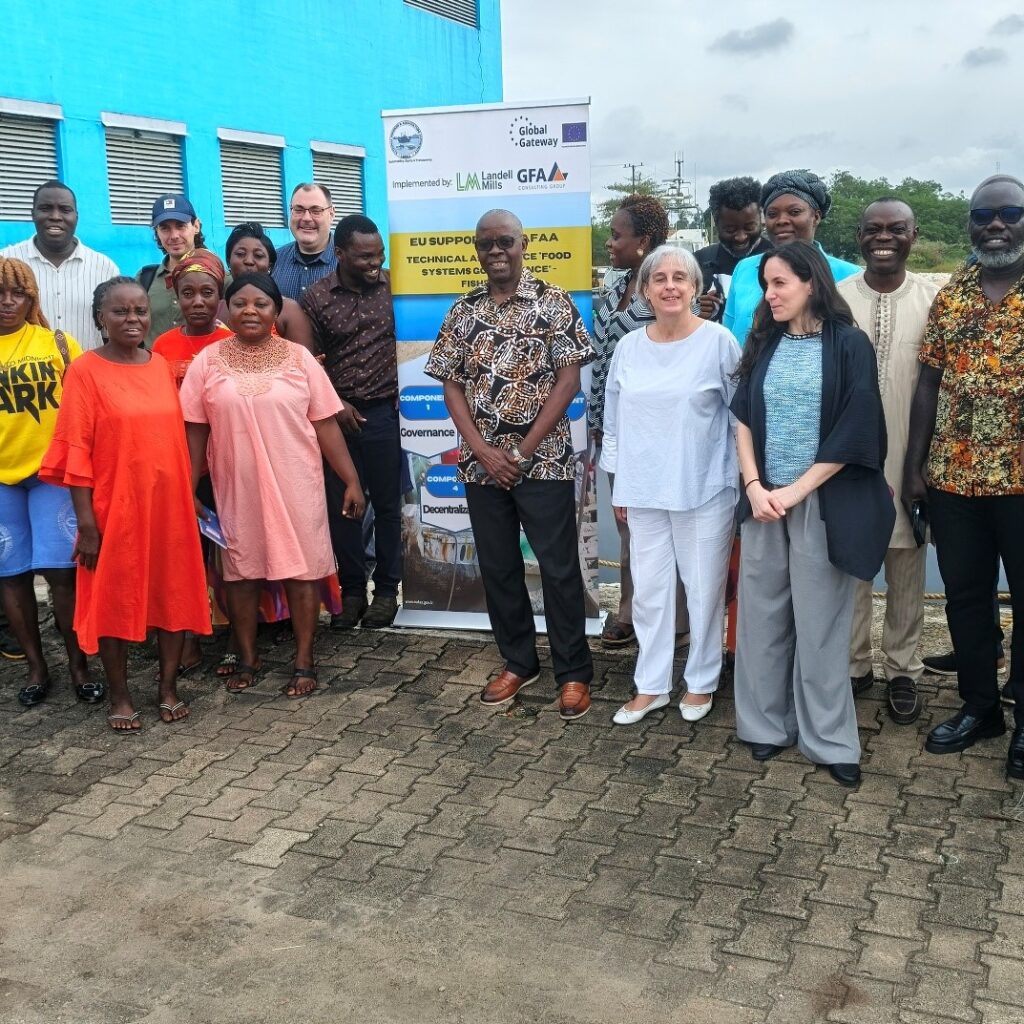
Speaking during the opening session, the Deputy Director General for Technical Services at NaFAA, William Boeh, who represented the Director General designate, commended the European Union for its continued support to the fisheries sector.
“This partnership with the European Union demonstrates a shared commitment to strengthening Liberia’s fisheries value chain, particularly at the community level where fish processors and fishmongers play a critical role,” he said. “Improving value addition and reducing post-harvest losses are essential to increasing incomes and ensuring food security.”
Hon. William Y. Boeh also reaffirmed the Government of Liberia’s commitment to the sector.
“The Government remains fully committed to working with international partners including the European Union to improve the livelihoods of fish processors and fishing communities while ensuring the long-term sustainability of the fisheries sector,” Hon. Boeh stated. “We see artisanal fisheries as a key pillar of national development and economic growth.”
Earlier, the European Union Delegation to Liberia Programme Officer, Ms. Maria Winnubst, reaffirmed the EU’s readiness to work closely with NaFAA to improve fish handling, processing, and access to markets.
“The European Union has stepped up its support to Liberia’s fisheries sector and is determined to ensure that local fish processors and fishmongers are on par with their counterparts across the region,” Ms. Winnubst noted.
She further emphasized the practical benefits of the Technical Assistance Programme, adding that
“Through the EU Technical Assistance Programme on Food Systems Governance – Fisheries in Liberia, fish processors stand to gain critical technical skills that will enable them to handle, process, and market fish more professionally and competitively.”