
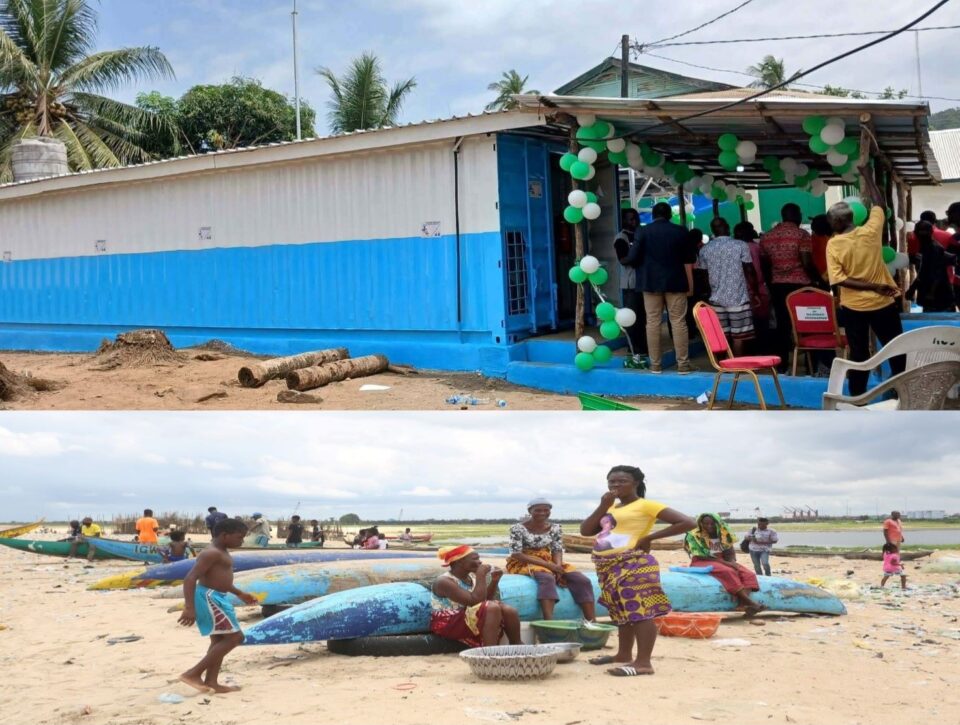
Monrovia, Liberia; March 16, 2026: – Robertsport, Grand Cape Mount County, is experiencing a quiet revolution. For years, the women who keep the town’s fisheries sector moving have fought a difficult battle against a persistent enemy: spoilage.
Without reliable cold storage, much of the fish arriving on shore never made it to the market on time. Families lost income. Businesses suffered. Potential slipped away.
On 12 March 2026, that cycle began to break.
A Facility Powered by the Sun and Built for Women
The Government of Liberia, in partnership with the United Nations Development Programme (UNDP), officially commissioned a solar‑powered prefab cold storage facility designed specifically to strengthen the livelihoods of women fish processors and traders.
The newly constructed solar-powered fish cold storage facility valued at over US$66,000 officially dedicated in Robertsport, brings renewed optimism to fishmongers and traders in the historic coastal city.
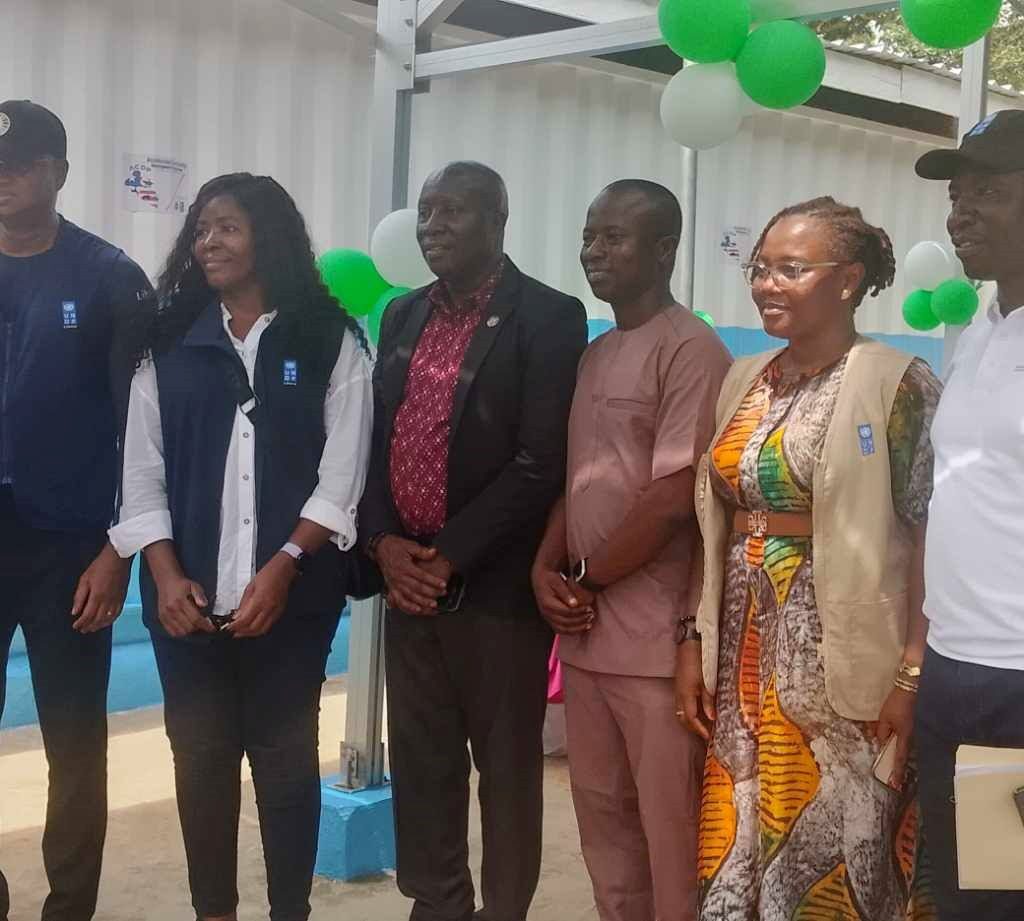
Built under the Accelerated Community Development Programme (ACDP), the facility aims to strengthen the livelihoods of local fishing communities by offering reliable storage for fresh fish—especially during peak catch periods when spoilage is a major concern.
The newly dedicated cold storage facility operates on a 13.53 kilowatt-peak (KWP) solar system. It can store 26,000 to 28,000 kilograms of fish—equivalent to 26–28 metric tons and was operationally certified assessed and certified by UNDP engineers and the National Fisheries and Aquaculture Authority (NaFAA).
Its purpose is simple but transformative, reliable, renewable, community‑owned cold storage that protects fish, reduces waste, and boosts income.
“Things Will Be Different for Us Now.”
For women in Robertsport, the cold storage facility represents far more than a building.
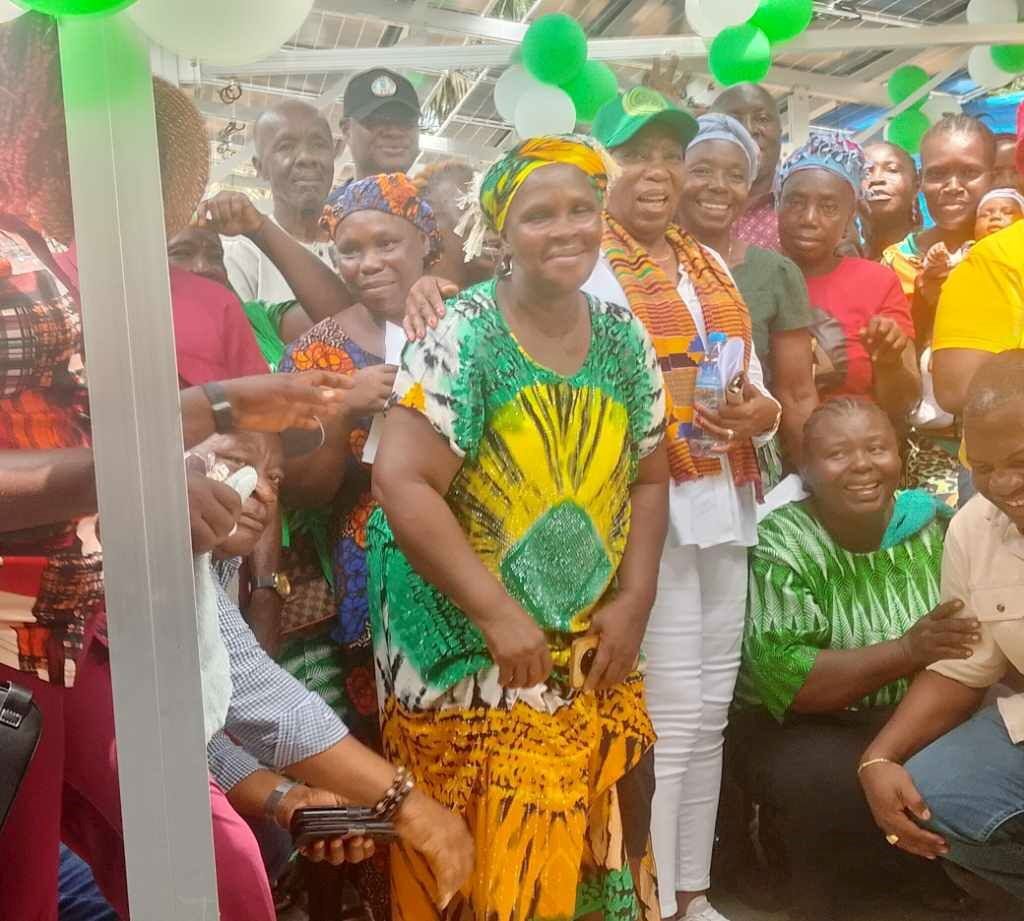
Sao G. Kromah, President of the Robertsport City Women Association, explained the struggle.
“One of the major challenges we faced was fish spoilage. The men would go fishing, but we had no cold place to keep the fish. Many times, it spoiled before we could sell it. With this cold storage facility, things will be different for us.”
For many women, spoilage hasn’t only meant losing income, but it has meant watching hours of work disappear overnight. Yatta S. Kiatamba, the Association’s Financial Secretary, shared how the new storage will reshape their operations.
“Sometimes we lost fish because we had nowhere safe to keep it. Some were spoiled and some were stolen when left outside. Now we have a safe place to store our fish so we can sell it the next day. This will protect our businesses and increase our income.”
Their voices underscore the facility’s true impact of security, dignity, and economic empowerment.
Leadership Affirms the Facility’s Transformative Potential
At the commissioning ceremony, leaders emphasized the importance of thoughtful, sustainable development. UNDP Resident Representative Aliou M. Dia highlighted that the value of infrastructure lies in how communities use and manage it.
“This cold storage facility will support women’s businesses and help reduce post‑harvest losses. What matters most is how it benefits communities.”
Dia added that Grand Cape Mount holds immense potential rich in marine resources, natural beauty, and opportunities for growth.
Representing the Minister of Gender, Chief of Office Staff Mike Fayiah‑David hailed the facility as a milestone for women.
“This is more than infrastructure. It is a symbol of hope and opportunity. By reducing spoilage and improving storage, women can expand their markets, increase their earnings, and strengthen their families.”
NaFAA Director General J. Cyrus Saybe Sr. echoed the importance of sustainability. “This represents a major investment in the fisheries value chain. Proper management will ensure women fully benefit and expand their businesses.”
Saygbe revealed that of approximately 250 cold storage facilities in Liberia, only about 11 percent are owned by Liberians—a situation he described as troubling for national fisheries development.
He also announced that Liberia will soon host its first post-war fishing conference, which is expected to attract investors and create new employment opportunities.
Saygbe assured the community that NaFAA will work closely with fishmongers to ensure the facility is managed according to national cold storage standards.
A Step Toward Stronger, More Resilient Communities
The new cold storage facility is part of broader ACDP efforts to expand rural development across Liberia, from agriculture and health services to water, sanitation, and livelihoods.
Speaking at the dedication ceremony, ACDP Programme Manager Boye Johnson said the project represents a significant investment in women and the broader fishing economy.
“We are here to unveil and hand over a facility that will empower women and the fishing community of Robertsport,” Johnson said as he presented an overview of the programme.
He noted that ACDP is a flagship initiative jointly implemented by the Government of Liberia and the United Nations Development Programme (UNDP) to address the needs of poor and underserved communities nationwide.
He described the programme as one dedicated to reducing poverty and inequality through targeted interventions in agriculture, water and sanitation, health, energy, and community infrastructure.
According to Johnson, the programme was modeled after similar development initiatives in Senegal, Togo, The Gambia, and the Democratic Republic of Congo.
After study tours and a feasibility assessment, Liberia identified 35–37 of its poorest communities as priority targets for the roll out of the.
He disclosed that at the programme’s official launch in 2022, the Government of Liberia committed US$100 million for the first three years. To date, US$3 million has been transferred by the government, while UNDP has contributed US$1.7 million toward ongoing projects.
Since 2022, thousands of rural residents have benefitted from tools, training, and infrastructure that support stable, long‑term progress.
Progress Across Key Sectors
Johnson highlighted several accomplishments under ACDP, including:
- Establishment of 14 farmers’ cooperatives
- Provision of modern agricultural equipment such as tractors and processing mills
- Construction of an agri-food processing and storage hub in Bopolu City, Gbarpolu County
- Development of five climate-smart water infrastructures across three counties, with more underway
- Renovation of Tellewoyan Hospital in Voinjama, Lofa County
- Procurement of seven customized ambulances distributed across seven counties
- Direct cash transfers to more than 800 women to support economic empowerment
By providing renewable‑energy‑powered cold storage, Robertsport is now positioned to reduce post‑harvest losses, strengthen food security, boost income for women traders, support resilient, climate‑smart livelihoods.
The event brought together national and local government officials, traditional leaders, members of the Robertsport Women Association, and development partners—all celebrating the project as a vital step toward strengthening the local fishing economy and improving rural livelihoods.
UNDP remains committed to supporting the Government of Liberia in advancing the ARREST Agenda for Inclusive Development and accelerating progress toward the Sustainable Development Goals by 2030.