
By Sampson Weah
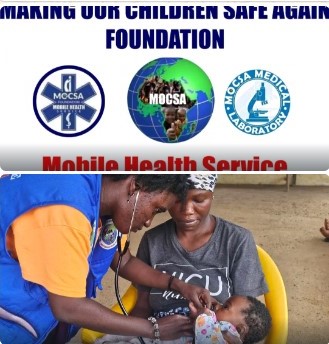
MONROVIA, Liberia – In a bold push to close Liberia’s healthcare gap, the MOCSA Medical Mobile Outreach Program is delivering life-saving services to some of the country’s most underserved and hard-to-reach communities.
With fully equipped mobile clinics—vans and trucks stocked with essential medical supplies and staffed by trained professionals—the program is reaching towns such as Memeh, Gbondoi, and Kemema Town, where access to healthcare has often been limited or nonexistent.
For many residents, the arrival of the mobile units is more than just a service—it is a lifeline.
The outreach teams provide a wide range of critical healthcare services, including blood pressure and diabetes screenings, vaccinations and immunizations, maternal and child healthcare, as well as health education and counseling. Patients suffering from common illnesses receive immediate diagnosis and treatment on-site, while more complex cases are referred to hospitals and specialized facilities.
Health experts say the program is not only saving lives but also reshaping how healthcare is delivered in rural Liberia.
By prioritizing early detection and prevention, the initiative is helping to reduce the burden of disease and prevent complications that often arise from delayed treatment.
Residents in beneficiary communities have expressed relief and gratitude, noting that the outreach has eliminated the need for costly and time-consuming travel to distant health facilities. For some, it marks their first consistent access to professional medical care.
“This program is bringing hope to places that were once forgotten,” a local health worker noted.
As Liberia continues to strengthen its healthcare system, the MOCSA Medical Mobile Outreach Program stands out as a powerful example of innovation, equity, and commitment to reaching every citizen—no matter how remote their communities are.
Stakeholders believe that expanding such initiatives will be critical to achieving universal health coverage and ensuring that quality healthcare is not a privilege, but a right for all Liberians.