
Exclusion Of Rural Media Sparks National Debate Over Press Freedom, Access And Inclusion
By: Abraham K. Kollie, Email: kollieabraham23@gmail.com
What was intended to be a night of dialogue, press freedom and national unity at the President’s Annual Media Dinner has turned into one of the most controversial media events of the year after it emerged that not a single journalist from rural Liberia was invited.
The EJS Ministerial Complex ballroom was filled with Monrovia-based editors, news directors, TV anchors, and online publishers.
Speeches were delivered about nation-building, listening to the people, and the freedom of the press.
But hundreds of miles away, community radio reporters and correspondents from
Nimba, Lofa, Grand Bassa, Bong, Maryland, Sinoe and beyond watched the livestream from their counties uninvited.
“Liberia isn’t just Monrovia. The counties matter too,” a media stakeholder wrote after the event. The post went viral.
Rural Journalists: The Unseen Fronline
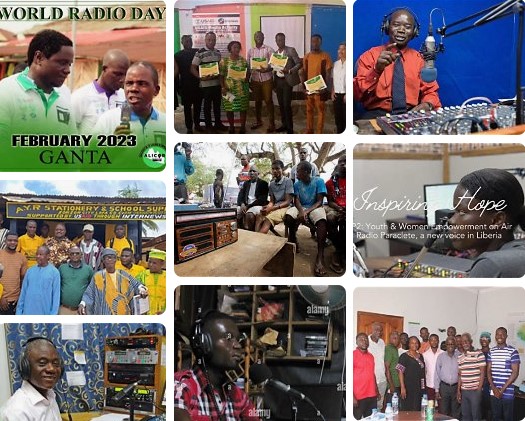
County journalists are often the only reporters covering health crises, land disputes, election violence, teacher shortages, flooding, and corruption in rural Liberia. They operate with little pay, poor internet, and dangerous roads yet break many of the stories that later make national headlines in Monrovia.
A radio reporter from Bong County, speaking on condition of anonymity, said:
“We report the President’s programs in our villages every week. But when it is time to talk, Monrovia speaks for us and we immediately become voiceless.”
For many, their absence from the President’s table sends a chilling message: rural voices are only worth quoting, not worth seating.
The numbers Don’t Lie
The exclusion is even more glaring when placed against Liberia’s actual media landscape.
A national radio assessment conducted by Internews Liberia between 2021 and 2022 found that out of roughly 130 radio and television stations nationwide, 63 are community radio stations nearly half of all broadcast media in Liberia.
Research has consistently shown that most Liberians prefer community radio over national radio for news because it carries local stories, local voices, and local dialects.
So the question many are now asking: [Why, when it is time for the media to sit with the President, is nearly half the sector never in the room?’ James Papay Kwabo expressed.
Official Explanation Fails To Calm Anger
Supporters of the administration argue that the dinner was organized by the Press Union of Liberia (PUL) and the Executive Mansion Press Team, with limited seats and logistical challenges.
Critics reject that explanation. They note that government officials, lawmakers, and business leaders routinely travel from the counties to Monrovia for state events.
“The budget for one dinner could have covered transport and lodging for at least two representatives from each county,” one media advocate argued.
“This is not just about dinner. It’s about access, power, and whose stories get told at the highest level. When national policy is shaped without county media in the room, Monrovia talks to Monrovia about Monrovia while flooding in Sinoe, mining tensions in Grand Cape Mount, and teacher shortages in the Rivercess go uncovered until they become crises.”
A Recurring Problem
This is not the first time rural media have raised the alarm. Year after year, community radio stations and rural correspondents say they are left off the guest list for presidential media engagements, even after the issue was flagged previously.
“Somewhere along the line, being based outside Monrovia became code for ‘less of a media professional.’ That’s just not true, and the numbers back it up,” a rural media manager said.
Calls for Reform
Calls are now growing for the Press Union of Liberia and the Executive Mansion to institute concrete reforms, including:
A mandatory quota ensuring minimum representation from each of the 15 counties at all future presidential media engagements;
A rotating Regional Presidential Media Forum held outside Monrovia;
Or, if logistics are a barrier, a separate dedicated engagement for rural journalists.
Until then, the image of a full ballroom in Monrovia with zero county press badges will linger for many, a symbol of how disconnected the center still is from the rest of Liberia.
Rural media are media. Until that shows up in who gets a seat at the table, the question remains: When do rural journalists get the same respect as journalists in Monrovia?