
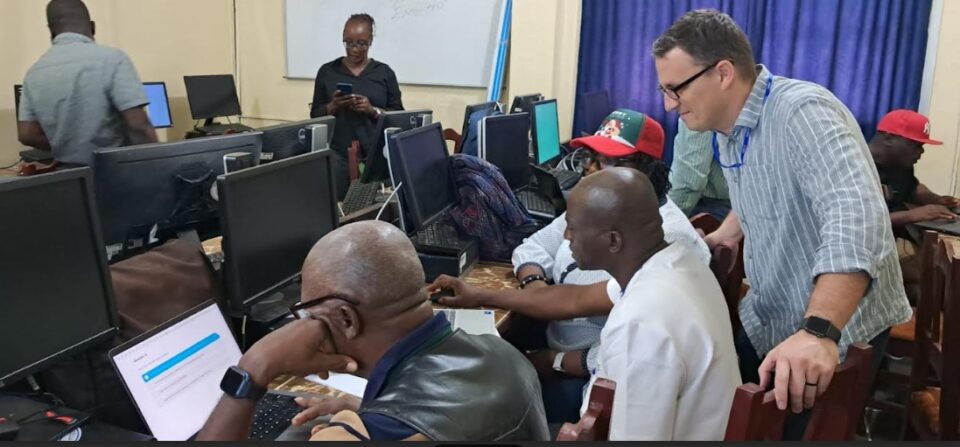
Monrovia, Liberia; March 25, 2026–The sun was just rising over Monrovia when fourteen NEC staff members gathered inside the auditorium at Stella Maris Polytechnic University, the UNDP says in a press release.
The moment felt different—not just a ceremony, but a quiet turning point. For many of them, it was the first time they were being recognized not just for showing up to work every day, but for mastering the digital tools that keep Liberia’s democracy running.
When each name was called and certificates were handed over, the applause was warm and steady. Yet beneath the celebration was something deeper: a renewed confidence that Liberia’s elections could be made more secure, more resilient, and more transparent.
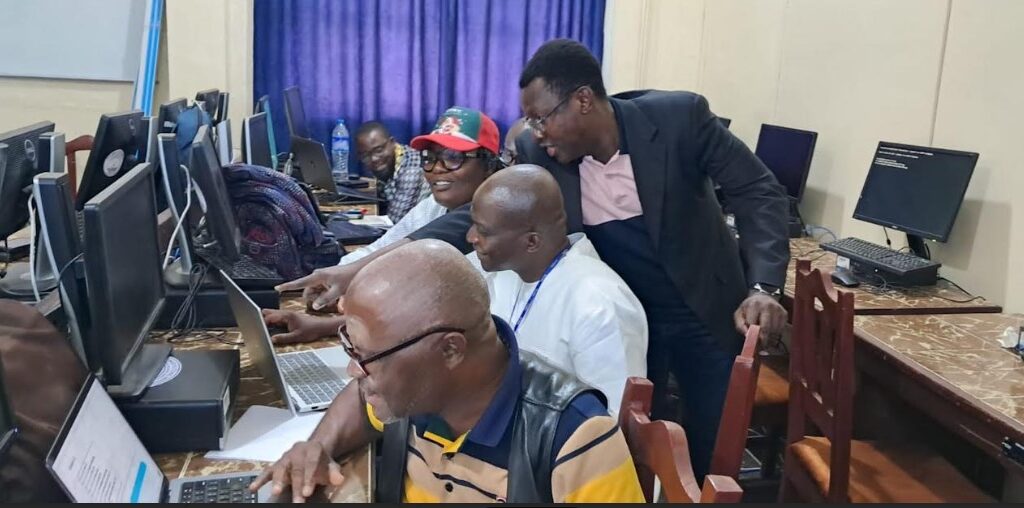
This was the result of weeks spent immersed in the ICT Training Series in Network Administration and Security, a program powered by the global CISCO curriculum and facilitated by UNDP through the Liberia Electoral Support Project, with funding from the European Union, Ireland, and Sweden. What began as a recommendation from an ICT assessment had now become a milestone in future-proofing Liberia’s electoral systems.
Learning to See the Invisible
In a country where elections are often understood in terms of ballots and polling stations, this training revealed a hidden world—the digital highways, routers, switches, and servers that quietly carry the heartbeat of an election.
Phillip I. Toe, Deputy Director of the NEC Data Center, had spent years working with network systems. But this training, he said, opened his eyes in a new way.
“Every communication between a computer and another device is facilitated through an IP address across interconnected networks. To truly secure our systems, we must understand how servers, routers, switches, and end devices interact. This training has helped us do exactly that,” ,” he explained.
The CISCO-based approach was not about memorizing terms in a classroom, it was about touching the systems, configuring them, breaking them, fixing them, and finally mastering them.
A New Way of Protecting the Vote
In today’s world, securing elections requires more than ballot boxes. It demands encrypted data, uninterrupted connectivity, and the ability to detect threats before they become crises.
NEC’s Director of IT, James Dogbey, felt the shift immediately. “This training takes NEC to another level. It improves our ability to monitor data traffic end-to-end, from headquarters to field offices, in real time,” he said.
For the first time, NEC staff could visualize data movement, seeing where information originates, where it travels, and how it is protected.
This visibility, Dogbey noted, would help reduce reliance on external vendors and give NEC stronger ownership of its digital infrastructure. It was both a technical upgrade, and institutional empowerment.
Confidence Behind the Screens
For participants like Edna Freeman, Deputy IT Director, the transformation was personal. She recalled long evenings practicing network configurations, sometimes getting stuck, sometimes breaking through.
“We didn’t just learn concepts, we applied them. Working with switching, routing, and Cisco Packet Tracer has added tremendous value to our understanding and confidence,” she said.
Others, like Jackson Freeman from the Electronic Broadcasting Section, were struck by the global relevance of what they were learning.
“Cisco Systems are used worldwide because of their high-end security. This training positions NEC to deploy secure networking solutions that can protect electoral systems from cyber threats,” he noted.
It wasn’t just training—it was stepping into a global community of digital guardianship.
Technology Needs Teamwork
At the certification ceremony, NEC Outgoing Chairperson Madam Davidetta Browne Lansanah reminded everyone that the true strength of a secure election lies not only in computers, but in people.
“No one works alone when it comes to networking. These systems require collaboration and shared responsibility to ensure they are not only installed, but that they work effectively,” she said.
Her message was clear. These fourteen trained professionals were not just certificate holders, but they were the foundation of a new generation of NEC ICT leadership.
A Stronger Digital Future for Liberia’s Elections
The Liberia Electoral Support Project’s investment in CISCO-based training is already reshaping the Commission’s confidence, capacity, and readiness to protect the vote.
As Liberia continues its digital transformation, the benefits of this training are already evident: a more skilled NEC workforce, enhanced data center management, and a stronger digital backbone safeguarding the electoral process.
It means NEC staff can now monitor their networks in real time, sensitive voter and results data is better protected, future ICT investments can be made more strategically, and Liberia has moved one step closer to global cybersecurity best practices.
And perhaps most importantly, it means that Liberia’s democracy is safer and protected by professionals who now understand the digital heartbeat of elections.
The story of these fourteen NEC staff members is not just about technology, it is a story of ownership, a story of resilience and a story of a country building the skills to safeguard its own future.