
By Tokpa M. Tarnue
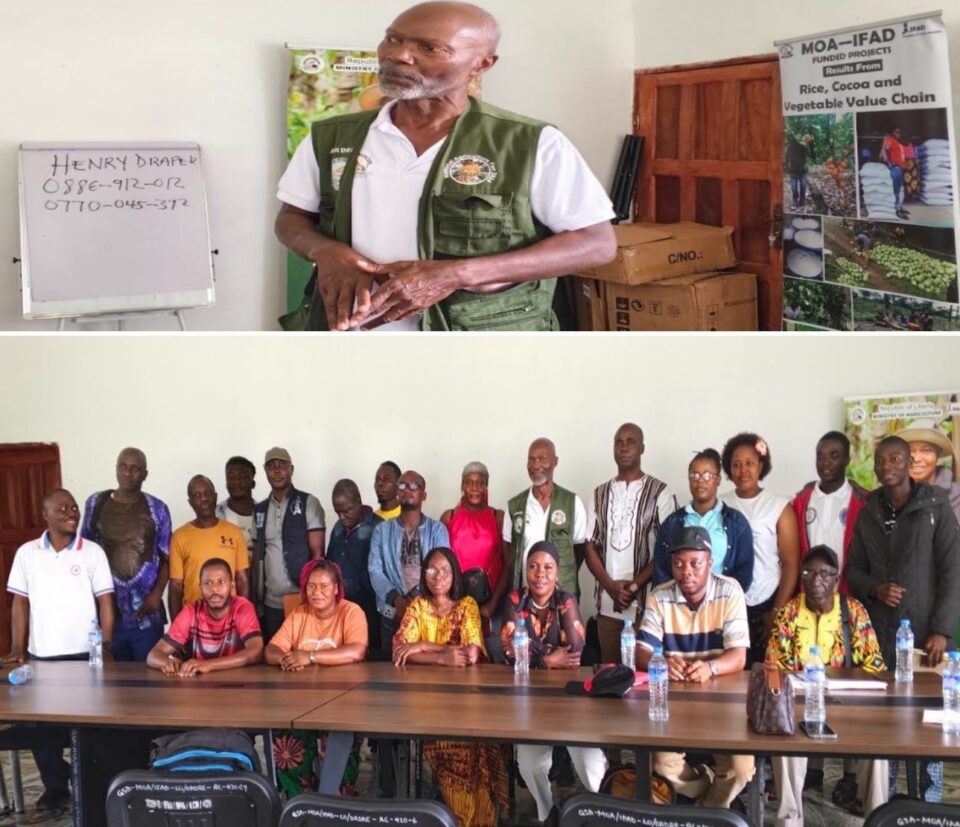
VOINJAMA City, Liberia– The Ministry of Agriculture has conducted a daylong stakeholders’ engagement in here in the northwestern Lofa County, as part of preparations to host the 2026 National Agriculture Fair in Lofa.
Lofa County is widely recognized for its agricultural potential, with farmers engaged in the production of crops including rice, cassava, cocoa, coffee, vegetables, and other food and cash crops.
The engagement brought together representatives from various sectors, including local government authorities, farmers, agricultural cooperatives, community-based organizations, development partners, traditional leaders, youth and women groups, and other key stakeholders in the county’s agricultural sector including the business community.
The meeting focused on strengthening collaboration and gathering recommendations from stakeholders to ensure the successful hosting of the national agriculture fair in Lofa County.
Speaking during the engagement, the assistant minister of agriculture for regional development research and extension at the Ministry of Agriculture Edward Perry emphasized the importance of early preparation and the active involvement of local stakeholders in making the event successful.
“This 2026 National Agriculture Fair will provide an opportunity for farmers and agricultural actors from across Liberia to showcase their products, innovations, technologies, and achievements while creating opportunities for networking, investment, and market access,” he noted.
Stakeholders at the meeting also discussed issues including logistics, agricultural exhibitions, farmer participation, infrastructure, sanitation, security, transportation, accommodation, publicity, and other arrangements necessary for the successful hosting of the national event.
Participants welcomed the decision to host the agriculture fair in Lofa County, describing it as an important opportunity to highlight the county’s contribution to Liberia’s agricultural development.
Stakeholders called for greater coordination among government institutions, local authorities, farmers, private-sector actors, and development partners to ensure that the agriculture fair delivers meaningful benefits to farmers and communities.
The engagement ended with calls for continued consultations and timely implementation of agreed preparations ahead of the 2026 National Agriculture Fair, which is expected to bring together farmers, agricultural experts, government officials, investors, development partners, and other stakeholders from across Liberia.