
New Research Study Shows
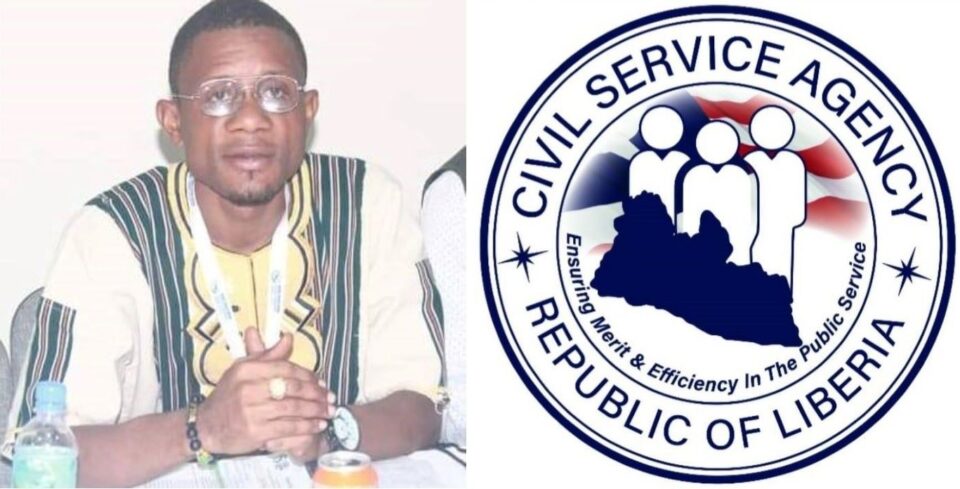
PHOTO: Abraham Delleh WALA,
Story: www.newspublictrust.com
A social scientific research study has found some successes in implementation of Liberia’s Civil Service Agency (CSA) merit system, but says, “challenges like underfunded training, resistance to change, and political meddling in hiring threaten progress.”
The research, which focused on the CSA, evaluated the impact of the Liberian government’s scheme based on merit and its effects on the productivity of employees of the Agency, using its department of Human Resources covering 2018-2022
The study was conducted by Abraham Delleh WALA, a Liberian administrator, compliance, security and corporate governance professional with undergrad and graduate degrees in public administration from the University of Liberia.
Despite the challenges in implementing the merit-based system, key findings from the study “show the merit system boosted productivity by prioritizing skills over political ties, improving recruitment of competent staff and service efficiency.”
Because of the system, the study observed that transparent hiring reduced nepotism, fostering accountability and higher job performance compared to past patronage-driven practices.
This is “aligned with Liberia’s broader civil service reforms, the scheme advanced HR Management through clearer role definitions, performance systems, and capacity-building tools,” the study says.
According to the study, there are policy implications stress sustaining merit-based recruitment, investing in staff development, and curbing political interference to maintain reform gains.
However, the study notes that while the merit system has strengthened CSA productivity, addressing these gaps is critical for long-term public sector efficacy and trust.
The study concludes that Liberia’s merit-based employment scheme significantly enhanced productivity within the Civil Service Agency (CSA) by prioritizing qualified personnel through transparent recruitment, which improved service delivery and operational efficiency.
The system reduced political interference in hiring and fostered accountability via performance management frameworks and clarified roles, advancing broader civil service reforms.
But the study says while progress is evident, such as resilient HR tools and institutional frameworks, challenges like underfunded training, resistance to change, and lingering political meddling pose risks to sustainability.
In order to safeguard gains, the research study is calling on policymakers to prioritize sustained investment in workforce development, reinforce merit-based hiring integrity, and mitigate external pressures.
These steps are critical to maintaining public trust and ensuring long-term efficacy in Liberia’s public sector reforms, the study adds.