
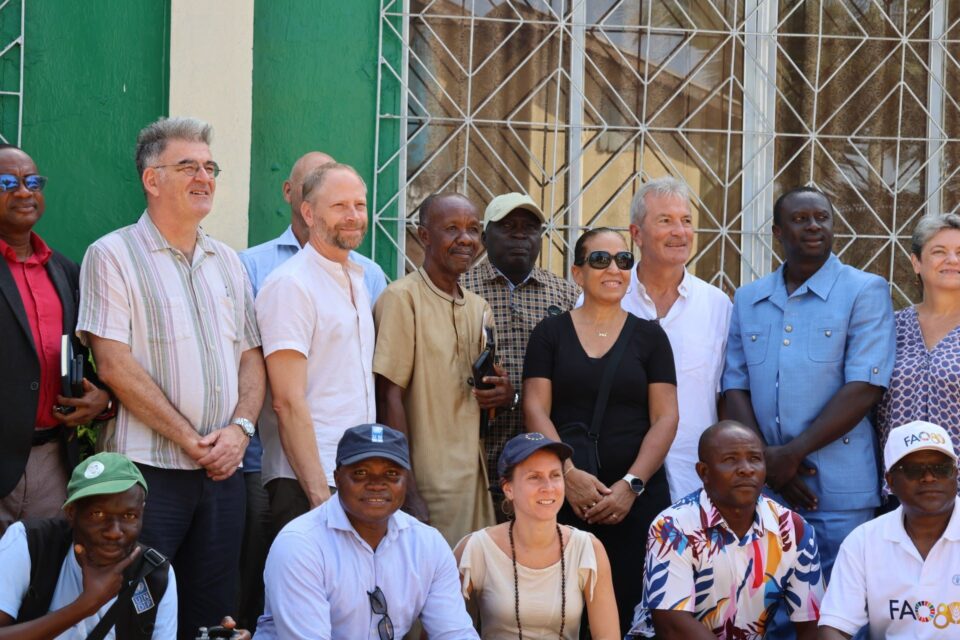
Monrovia, Liberia–Forests are more than landscapes in Grand Cape Mount County. They are livelihoods, heritage, and hope for the future, a UNDP press release said on April 15, 2026.
From 13–14 April 2026, this reality came into sharp focus as the United Nations Development Programme (UNDP), together with the Food and Agriculture Organization of the United Nations (FAO) and the Forestry Development Authority (FDA), joined Heads of Mission from the European Union (EU) and its Member States on a joint field mission to western Liberia.
Led by the European Union Delegation to Liberia and joined by ambassadors and representatives from France, Ireland, Sweden, and Germany, the mission offered firsthand insight into EU-supported development investments, placing the spotlight firmly on sustainable natural resource management, community livelihoods, and inclusive development.
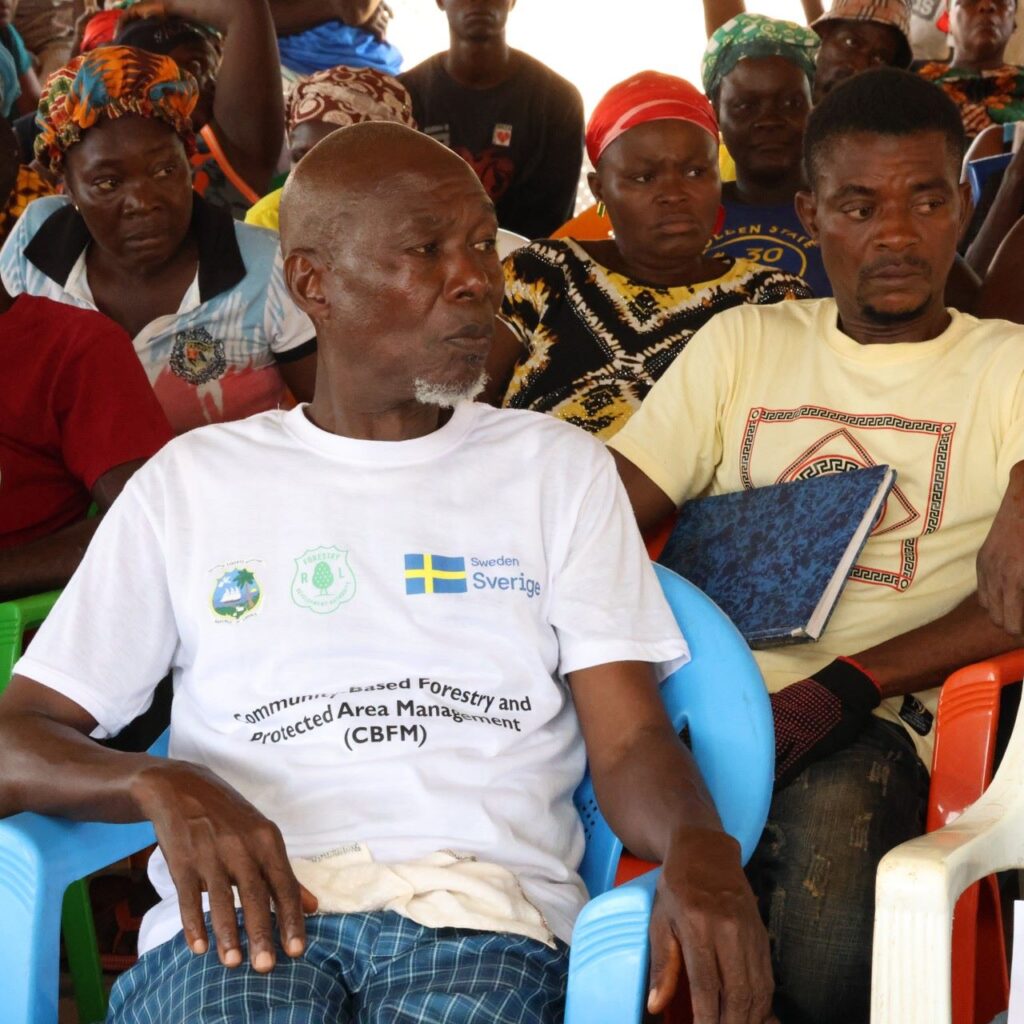
Sweden Highlights Community Forestry Results
During the visit, the Embassy of Sweden showcased tangible results from the Community-Based Forestry and Protected Area Management (CBFM) Project, jointly implemented by UNDP and FAO in collaboration with the FDA.
The project is transforming how communities govern forests, strengthening biodiversity conservation while opening pathways to resilient, climate-smart livelihoods for forest-dependent and forest-fringe communities.
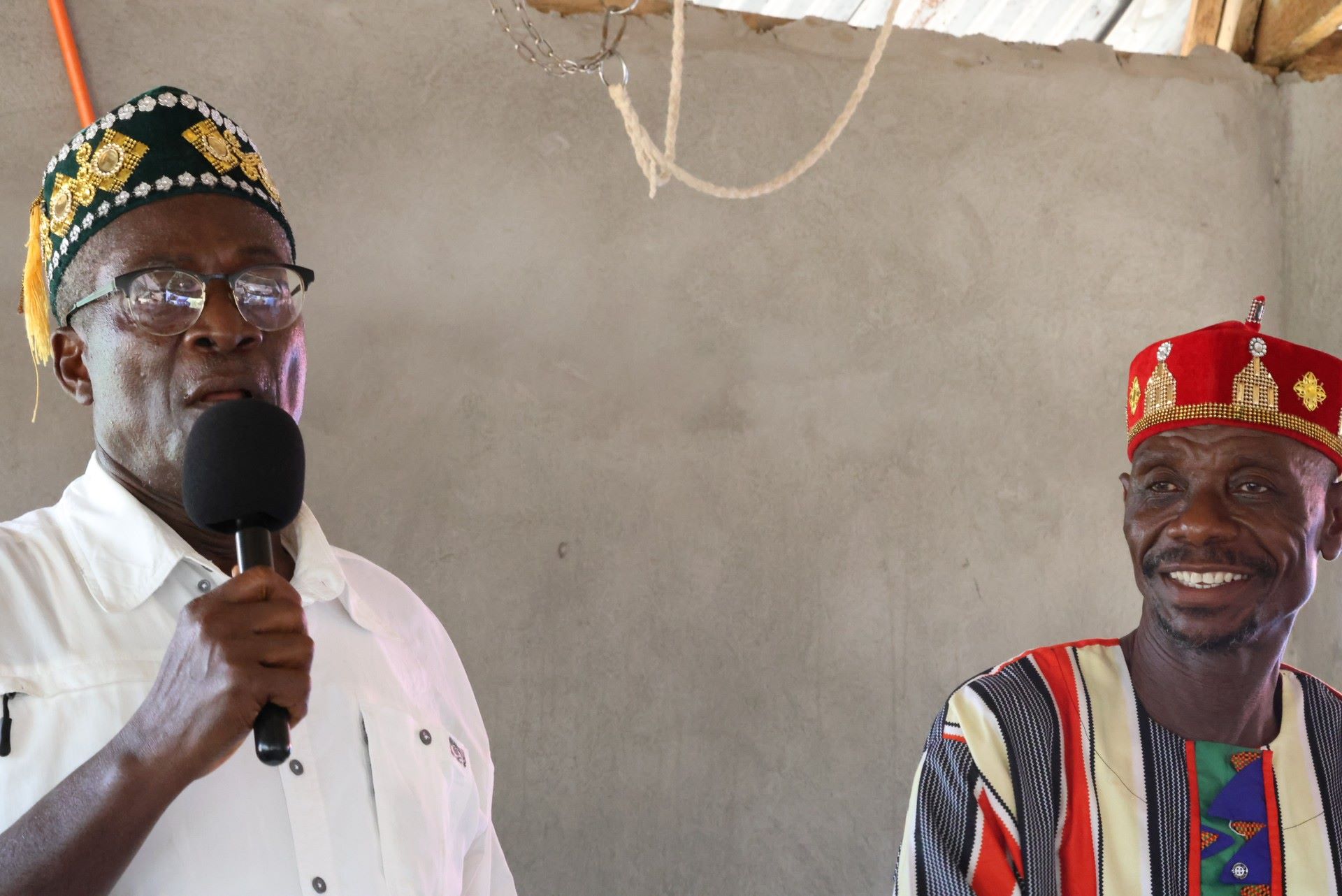
At the heart of the visit were communities around Lake Piso, where ambassadors engaged directly with residents who are now leading forest protection and restoration efforts once thought impossible.
“We were skeptical at first but through continuous dialogue and trust-building, we reached a Memorandum of Understanding that allows us to truly own and protect our forest. Today, that ownership is paying dividends. Community members are earning sustainable incomes through climate-smart farming techniques introduced under the project—reducing pressure on forests while improving food security,” reflected Mr. Bai Sherman, Coordinator for Culture and Traditions in Grand Cape Mount County.
When Restoration Meets Livelihoods
The mission highlighted how environmental restoration and social impact go hand in hand.
In Sembehun, a solar-powered eco-guesthouse handed over in December 2024 by UNDP and the Environmental Protection Agency (EPA), now stands as a symbol of green entrepreneurship.
Managed by the Mutamu Women Group, the facility generates income that benefits more than 1,000 residents, while promoting eco-tourism and clean energy solutions.
This initiative is reinforced by Village Savings and Loan Associations (VSLAs), empowering households, particularly women, to build financial resilience, invest in small businesses, and respond better to climate and economic shocks.
Communities Moving Toward Forestry Ownership
In Bambala, UNDP’s targeted low-value grant implemented with the Cooperative Development Agency (CDA), is enabling the community to advance toward formal cooperative status, laying the foundation for inclusive economic participation and long-term sustainability.
At the same time, FAO is leading large-scale ecological restoration within the Lake Piso Multiple Sustainable Use Reserve, where approximately 65 percent of planned restoration activities are already complete.
In Gbarmalumeh, supported by FAO and The Nature Compact, the community has reached Step 9 of Liberia’s national community forestry process and is nearing approval of its forest management agreement, a critical milestone toward legal forest governance.
Alongside governance progress, livelihood initiatives such as VSLAs are helping households diversify income and strengthen resilience. These efforts are reviving degraded ecosystems while strengthening local stewardship of protected landscapes.
A Partnership Model for Sustainable Forests
Liberia is home to an estimated 6.6 million hectares of forest, among the most biodiverse in West Africa. Yet these forests face mounting pressures from fuelwood dependence, limited livelihood options, and enforcement challenges.
Through the CBFM Project, UNDP and FAO are addressing these realities by:
- Strengthening policy and institutional frameworks for community forestry
- Promoting inclusive and gender-responsive management of protected areas
- Supporting low emission, climate-resilient livelihoods
- Enhancing monitoring, learning, and knowledge systems
The joint EU field mission served as a powerful platform to demonstrate early results, elevate community voices, and reinforce collaboration between EU Member States, UN agencies, and Liberian institutions.
Looking Ahead
The visit is expected to:
- Increase visibility and strategic support for community-based forestry and restoration in Liberia
- Strengthen partnerships across government and development actors
- Inspire renewed community interest and confidence in forest conservation
UNDP remains committed to working with partners and communities to ensure Liberia’s forests continue to generate livelihoods, resilience, and opportunity—with communities firmly at the center of forest governance and natural resource management.