
By Tokpa M, Tarnue
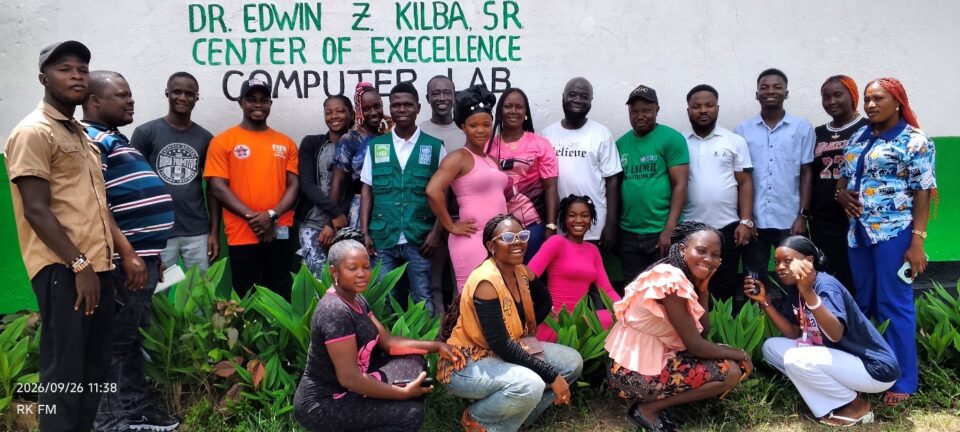
VOINJAMA, Liberia– The Serving humanity for Empowerment Development (SHED) has concluded a two-day capacity-building training for organizations conducting awareness and providing services to marginalized communities and persons living with disabilities here in the northwestern Lofa County.
It was aimed at strengthening their advocacy skills and participation in policy and legislative reforms.
The training was conducted as part of the implementation of Phase Two of the European Union-funded Spotlight Initiative Project, which seeks to address issues of Sexual and Gender-Based Violence (SGBV), Harmful Practices (HPs), and Sexual and Reproductive Health and Rights (SRHR).
The exercise brought together representatives of organizations working with marginalized populations and persons with disabilities, equipping them with essential knowledge, practical skills, and tools to advocate for reforms that promote the rights, protection, and inclusion of vulnerable groups.
According to SHED’s County field Officer Kelvin G. Meddrics, key topics covered during the two-day training included a brief overview of SGBV, harmful practices, and SRHR, with discussions focusing on the meaning of these concepts, their effects on vulnerable populations, and the importance of promoting awareness and access to essential services.
He said, participants were also trained on how to influence policies and engage in effective advocacy, including a step-by-step guide to developing and implementing advocacy initiatives.
“The sessions further addressed key components of advocacy skills, emphasizing the importance of identifying problems, setting clear advocacy objectives, gathering relevant evidence, identifying decision-makers, developing advocacy messages, engaging stakeholders, and monitoring advocacy outcomes” he further indicated.
According to him, the training also highlighted the important role of civil society organizations in influencing policies and legislation by raising awareness, engaging policymakers, mobilizing communities, and amplifying the concerns of people who are often excluded from decision-making processes with particular emphasis was placed on ensuring that marginalized communities and persons living with disabilities are actively involved in advocacy efforts, especially on issues affecting their safety, dignity, health, and fundamental rights.
“The initiative recognizes that these groups may face additional barriers in accessing information, protection, justice, and sexual and reproductive health services and therefore, strengthening the capacity of organizations that work directly with them is very important to ensuring that their concerns are adequately represented in policy discussions and legislative reforms” kelvin noted.
Through the training, participating organizations are expected to apply the knowledge and skills acquired to improve their community awareness activities, strengthen service delivery, and engage relevant authorities and stakeholders in advocating for policies and laws that address SGBV, harmful practices, and SRHR-related challenges.
The training also reinforced the importance of collaboration among civil society organizations, government institutions, service providers, and community stakeholders in promoting gender equality, preventing violence, and protecting the rights of vulnerable populations.
For his part, the chairman for the National Civil Society Counsel Lofa Chapter Mohammed Kamara indicated that the training has equipped participants with valuable knowledge and practical skills in Sexual and Gender-Based Violence (SGBV), Harmful Practices (HPs), and Sexual and Reproductive Health and Rights (SRHR). The sessions on influencing policies, step-by-step advocacy strategies, and the key components of effective advocacy have provided us with important tools to engage decision-makers and contribute meaningfully to policy and legislative reforms.
“As civil society organizations, our responsibility goes beyond conducting awareness and providing services. We must also ensure that the voices, concerns, and rights of marginalized communities and persons living with disabilities are heard and reflected in decisions that affect their lives and I therefore encourage all participating organizations to put the knowledge acquired into practice. Let us strengthen collaboration, promote inclusive advocacy, engage relevant authorities, and work collectively to prevent SGBV and harmful practices while promoting access to sexual and reproductive health services” Kamara noted.
According to him, the success of this training should not only be measured by our participation, but by the actions we take afterward to bring positive change to our communities.
The conclusion of the two-day exercise marks another step in SHED’s implementation of Phase Two of the EU-funded Spotlight Initiative Project, with continued efforts aimed at strengthening local organizations’ capacity to contribute to meaningful policy and legislative reforms.
Ultimately, the initiative seeks to promote a more inclusive society where marginalized communities and persons living with disabilities can participate in decisions affecting their lives and enjoy improved access to protection, information, and essential services.