
And Entrepreneurship Opportunities
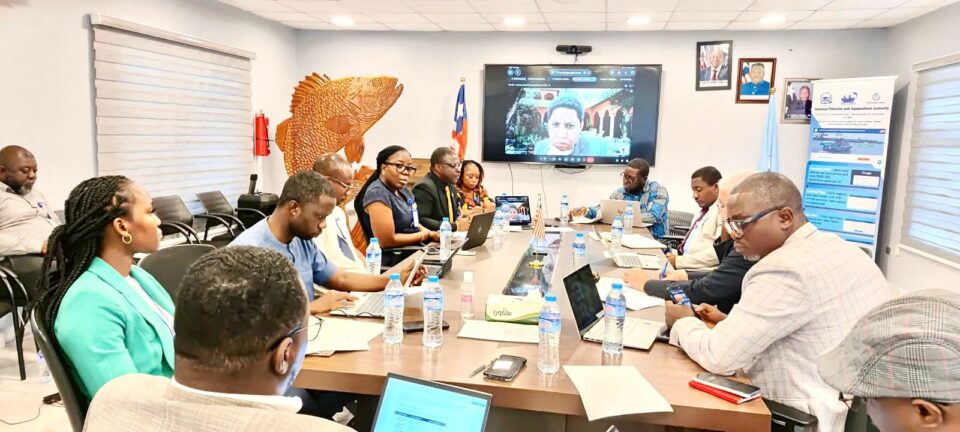
Monrovia, Liberia – September 1, 2026: The National Fisheries and Aquaculture Authority (NaFAA) has convened its first Technical and Vocational Education and Training (TVET) in Fisheries Roundtable, bringing together key government institutions, development partners, academia, and fisheries stakeholders to explore practical pathways for equipping Liberian youth with market-driven skills and creating new opportunities for employment, entrepreneurship, and private-sector growth across the fisheries and aquaculture value chains.
Held on Tuesday, September 1, 2026, at the National Fisheries and Aquaculture Authority, the high-level roundtable was chaired by the Senior Management of NaFAA and brought together the Deputy Minister for TVET at the Ministry of Youth and Sports and his technical team, representatives of the Department of Fisheries and Aquaculture Sciences, teams from the European Union-supported Strengthening Artisanal Fisheries and Private Sector Development Projects, and NaFAA’s technical directors.
The roundtable was convened against the backdrop of the growing recognition that Liberia’s fisheries and aquaculture sector can serve not only as a source of food and nutrition, but also as a major platform for skills development, youth employment, entrepreneurship, enterprise creation, and inclusive economic growth.
Moving Beyond Jobs to Creating Young Entrepreneurs
At the center of the discussions was the need to move beyond conventional employment models and develop a fisheries-focused TVET ecosystem that enables young Liberians to become skilled technicians, service providers, entrepreneurs, and business owners.
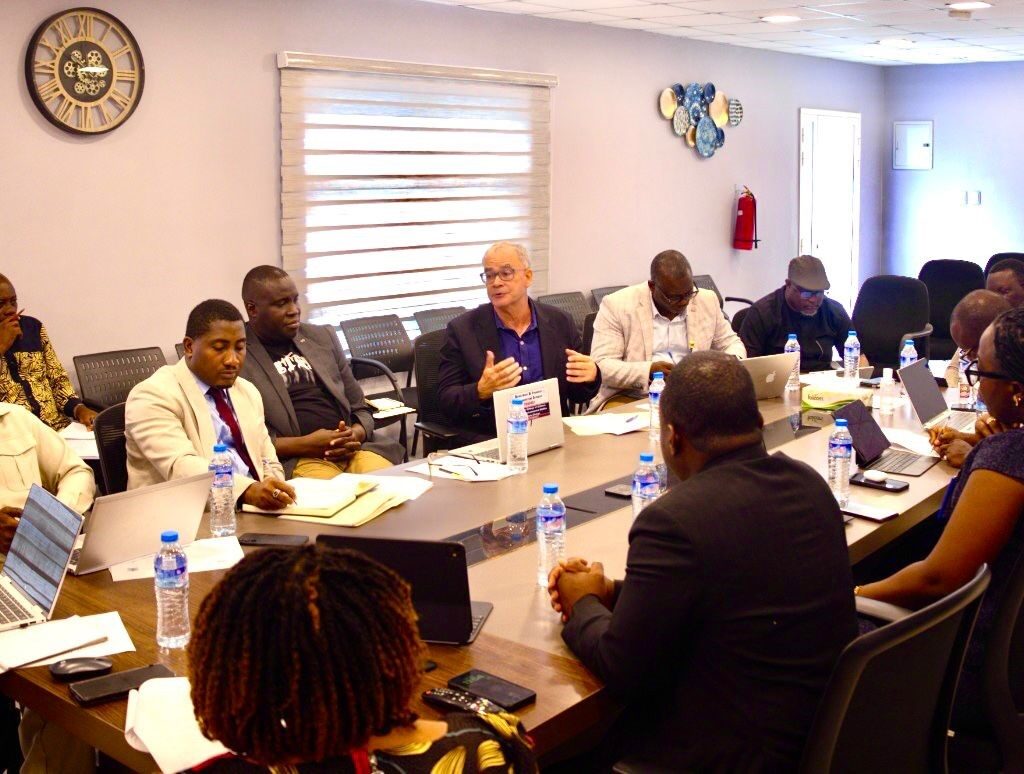
Participants emphasized that the fisheries and aquaculture value chains contain numerous areas where young people can acquire specialized technical skills and establish viable businesses, particularly in coastal and inland counties where fisheries activities provide important economic and livelihood opportunities.
The roundtable identified a range of potential TVET areas that could be developed into structured training, incubation, and enterprise-development programs. These include:
- Fishing canoe construction and fiberglass boat production;
- Outboard engine repair and maintenance;
- Fishing gear and net production and repair;
- Fish feed production and formulation;
- Fish pond construction, installation, and maintenance;
- Fabrication of improved fish smoking ovens and kilns;
- Local fabrication of fish handling and preservation equipment;
- Low-cost cooling and refrigeration systems for fish preservation;
- Fish processing, packaging, and value addition;
- Aquaculture production and farm management;
- Cold-chain services and fish transportation;
- Fabrication and maintenance of fisheries equipment and tools; and
- Other specialized services required across the fisheries and aquaculture value chains.
Participants noted that many of these activities are currently dependent on imported equipment, technicians, and services, creating an opportunity for Liberia to develop a local skills base capable of meeting domestic demand while reducing costs and generating new businesses.
Building a Fisheries Skills-to-Enterprise Pipeline
A major outcome of the discussions was the recognition that fisheries-focused TVET should not end with the issuance of certificates. Instead, training should be connected to a deliberate skills-to-enterprise pipeline that takes young people from training to practical experience, incubation, business development, financing, and ultimately sustainable enterprise ownership.
Under such a model, young people could be trained in specific fisheries-related trades, placed in practical apprenticeship programs, supported to develop business plans, linked to equipment and financing opportunities, and provided with mentorship and market access.
The proposed approach would therefore combine technical skills development with entrepreneurship, business incubation, access to finance, market intelligence, and private-sector linkages.
This would allow young people not only to seek employment within the fisheries sector, but also to establish businesses that provide services to fishers, processors, traders, aquaculture farmers, fishing communities, and larger fisheries enterprises
A Market-Led Approach to Skills Development
Participants stressed the importance of ensuring that any future fisheries TVET program is driven by actual market demand.
Rather than designing training programs based solely on the availability of training institutions or existing curricula, the proposed approach would begin with a comprehensive assessment of the sector to determine:
- Existing and emerging skills gaps;
- Market demand for fisheries-related services and products;
- Youth interest and willingness to participate;
- Existing training facilities and equipment;
- Opportunities for public-private partnerships;
- Potential locations for fisheries TVET hubs;
- Existing businesses and service providers that could support apprenticeships;
- Investment opportunities within fisheries and aquaculture value chains;
- Financing and business-development opportunities for graduates; and
- Appropriate training, incubation, certification, and enterprise-development models.
The assessment would provide the evidence base for determining which skills should be prioritized, where training should be delivered, what facilities and equipment are required, and how graduates can transition into viable businesses.
Ministry of Youth and Sports Signals Readiness to Advance the Initiative
The Deputy Minister for TVET at the Ministry of Youth and Sports, Hon. Laraamand S. Nyonton, expressed appreciation to NaFAA for convening the roundtable and creating a platform for government institutions and partners to explore the untapped potential of fisheries as a vehicle for youth skills development and employment.
Hon. Nyonton welcomed the initiative and emphasized the Ministry’s preparedness to work with NaFAA and other stakeholders to scale up the discussions and translate the ideas generated into tangible next steps.
His remarks underscored the importance of connecting Liberia’s national TVET agenda with productive sectors of the economy where young people can acquire practical skills and build sustainable livelihoods.
EU-Supported Projects Welcome Greater Collaboration
The teams leading the European Union-supported fisheries initiatives also welcomed the roundtable, describing it as an important opportunity to strengthen collaboration between fisheries development interventions and Liberia’s broader youth employment and skills-development agenda.
The EU-supported project teams expressed optimism about working closely with NaFAA and the Ministry of Youth and Sports to undertake a comprehensive assessment that would establish a clear understanding of the sector’s skills and enterprise-development requirements.
The proposed assessment is expected to examine skills gaps, market opportunities, youth interests, existing facilities, training capacity, private-sector demand, and potential institutional models that could support the development of a sustainable fisheries TVET framework.
Such an assessment would also help ensure that future investments are strategically targeted toward areas with the greatest potential for job creation, enterprise development, value addition, and private-sector growth.
Creating Opportunities Across Coastal and Inland Counties
The roundtable also highlighted the importance of decentralizing fisheries skills development so that opportunities are not concentrated only in Monrovia.
Liberia’s coastal and inland counties offer diverse opportunities across marine fisheries, inland fisheries, aquaculture, fish processing, transportation, equipment fabrication, cold-chain services, and other supporting activities.
A decentralized fisheries TVET model could establish or strengthen training and incubation opportunities closer to fishing and aquaculture communities, allowing young people to develop skills that respond directly to local economic activities.
For coastal communities, this could include canoe construction, engine maintenance, fishing gear production, fish handling, processing, smoking, cold-chain services, and marine-related equipment fabrication.
In inland communities, the focus could include pond construction, aquaculture production, fish feed manufacturing, water management, fish processing, transportation, and other aquaculture support services.
This approach could contribute to creating a network of local fisheries service providers capable of supporting the sector while generating income and employment within communities.
An Opportunity to Advance Liberia’s Blue Economy
The initiative is also aligned with Liberia’s broader ambition to unlock the economic potential of its fisheries and aquatic resources as part of the country’s emerging Blue Economy agenda.
By connecting fisheries development with TVET, youth entrepreneurship, private-sector development, and enterprise financing, Liberia can begin to build a stronger domestic ecosystem of skilled workers and fisheries-related businesses.
The proposed approach could ultimately create a pipeline in which young Liberians are:
Identified → Trained → Certified → Mentored → Incubated → Financed → Linked to Markets → Supported to Grow Sustainable Businesses.
This model would shift the conversation from simply asking “How do we create jobs for young people?” to the more transformative question:
“How do we equip young Liberians with the skills, tools, financing, and markets they need to create their own jobs and employ others?”
Toward a Concrete Action Plan
The roundtable concluded with a shared understanding that the discussions should serve as the beginning of a structured process rather than a one-time engagement.
NaFAA, the Ministry of Youth and Sports, the Department of Fisheries and Aquaculture Sciences, and development partners expressed interest in advancing the initiative through a more comprehensive assessment and technical engagement.
The next phase is expected to focus on identifying priority fisheries and aquaculture trades, assessing existing infrastructure and training capacity, mapping market demand, determining youth interest, identifying potential incubation models, and developing a practical framework for implementation.
The ultimate objective is to establish a market-oriented Fisheries TVET and Enterprise Development Program that can prepare young Liberians for meaningful participation in the fisheries and aquaculture economy while creating opportunities for them to become entrepreneurs and employers.
For NaFAA, the roundtable represents an important step toward repositioning fisheries as not only a source of food, livelihoods, and economic activity, but also as a platform for skills development, innovation, enterprise creation, and youth empowerment.
As Liberia continues to invest in sustainable fisheries management and the development of its Blue Economy, the integration of TVET, entrepreneurship, technology, private-sector investment, and fisheries value-chain development could provide a powerful pathway for ensuring that young Liberians are not left on the margins of the sector—but are positioned at its center as the next generation of skilled workers, innovators, entrepreneurs, and fisheries business leaders., said a NaFAA press release signed by the Director, Communications and Media Services, Lewis E.B. Konoe.