
And Give Them Strong Prosecutors
Culled from West Africa Voice Newspaper Editorial
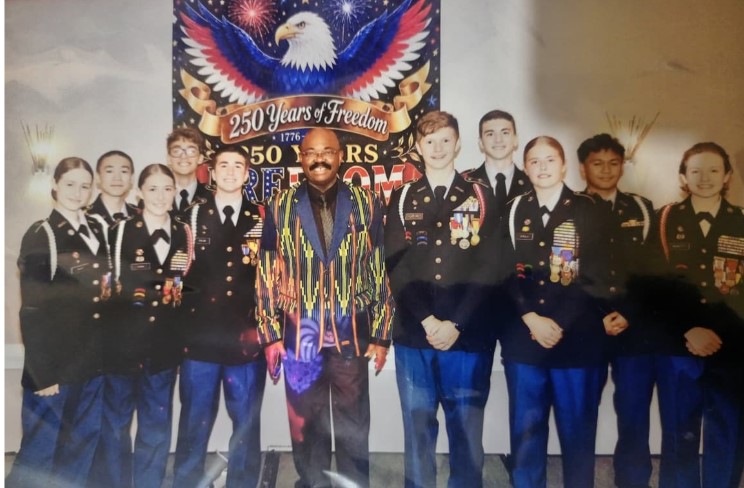
PHOTO: Liberian Circuit Court Judge, Roosevelt Z. Willie (middle)
Now that Liberia’s War and Economic Crimes Court (WECC) is moving from talk toward reality, the country faces one of its most consequential legal and institutional decisions since the end of the civil war:
Who will sit on that bench?
In the view of the West Africa Voice, Liberia should look first to proven, tested and respected Liberian jurists with demonstrated experience handling serious and politically sensitive cases.
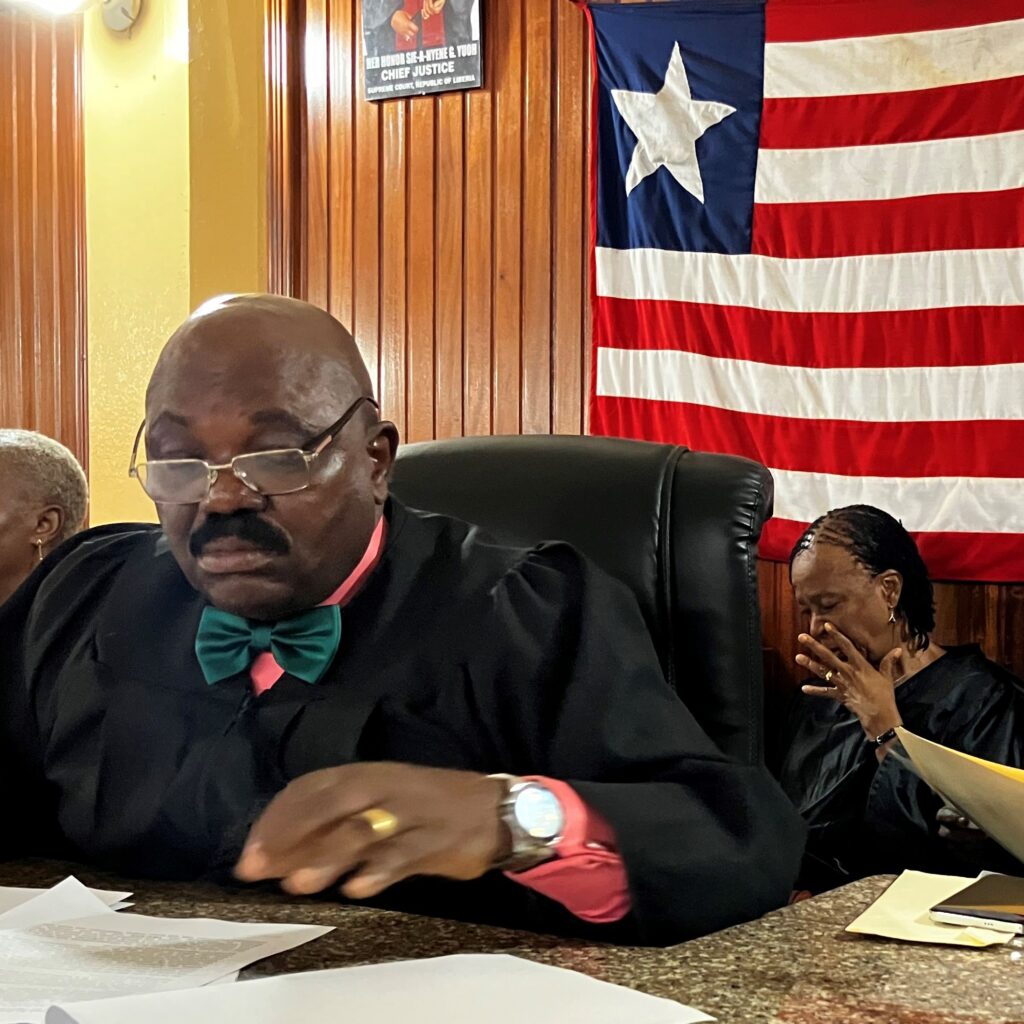
Among those deserving consideration is *Judge Roosevelt Z. Willie*, Resident Judge of Criminal Court “A” of the First Judicial Circuit and currently assigned to preside over the August Term of the 13th Judicial Circuit in Margibi County. Liberia’s Judiciary confirms his current assignment.
Why Judge Willie? His record deserves consideration.
In recent years, he has presided over serious criminal and high-profile cases, including matters involving major felonies and public officials. In August 2026, he ordered the first sequestration of a jury in Margibi County, a decision the Judiciary described as a landmark step for the county.
His judicial work has also attracted international recognition. On September 12, 2026, in Cherry Hill, New Jersey, Judge Willie received the America’s 250 International Judicial Excellence Award, presented by the International Stop the Violence Alliance, Inc. The organization cited his commitment to justice, peace, integrity in leadership, family values and building trust between law enforcement and communities.
For a Court expected to deal with some of Liberia’s darkest chapters, qualities such as independence, judicial courage, respect for due process and the ability to withstand pressure will matter.
But a strong bench alone will not be enough.
Liberia’s experience and the experience of other countries that have established special tribunals for mass atrocities shows that credible justice requires both an independent judiciary and a prosecution team capable of following evidence wherever it leads.
The Rwanda Tribunal, for example, was established to prosecute and punish those responsible for genocide and crimes against humanity, with the broader objectives of combating impunity and contributing to reconciliation and peace.
The lesson for Liberia is straightforward: We need strong judges. We also need strong prosecutors.
Therefore, West Africa Voice calls on the Government of Liberia and its international partners to approach the selection process with the highest standards of professionalism and independence.
First, judges with demonstrated integrity, courtroom experience, independence and respect for due process should be considered for the WECC bench.
*Second,* prosecutors Liberians at home and abroad, where appropriate with proven experience, professional independence and the courage to follow evidence without regard to political status should be recruited for the prosecution team.
The credibility of the War and Economic Crimes Court will not be determined simply by its establishment.
It will be determined by who sits behind the bench, who stands before it, how evidence is handled, and whether the law is applied without fear or favor.
Liberians have waited more than two decades for meaningful accountability for the country’s devastating civil wars.
This time, the search for justice must begin with character, incompetence and independence.
Let the search begin.